The Reconstruction Ledger: Promised, Conditional, Delivered
Every war keeps two sets of books: destruction, which fills itself in, and reconstruction, which others are supposed to fill. We keep the second book open — so far, the “delivered” column is spotless.
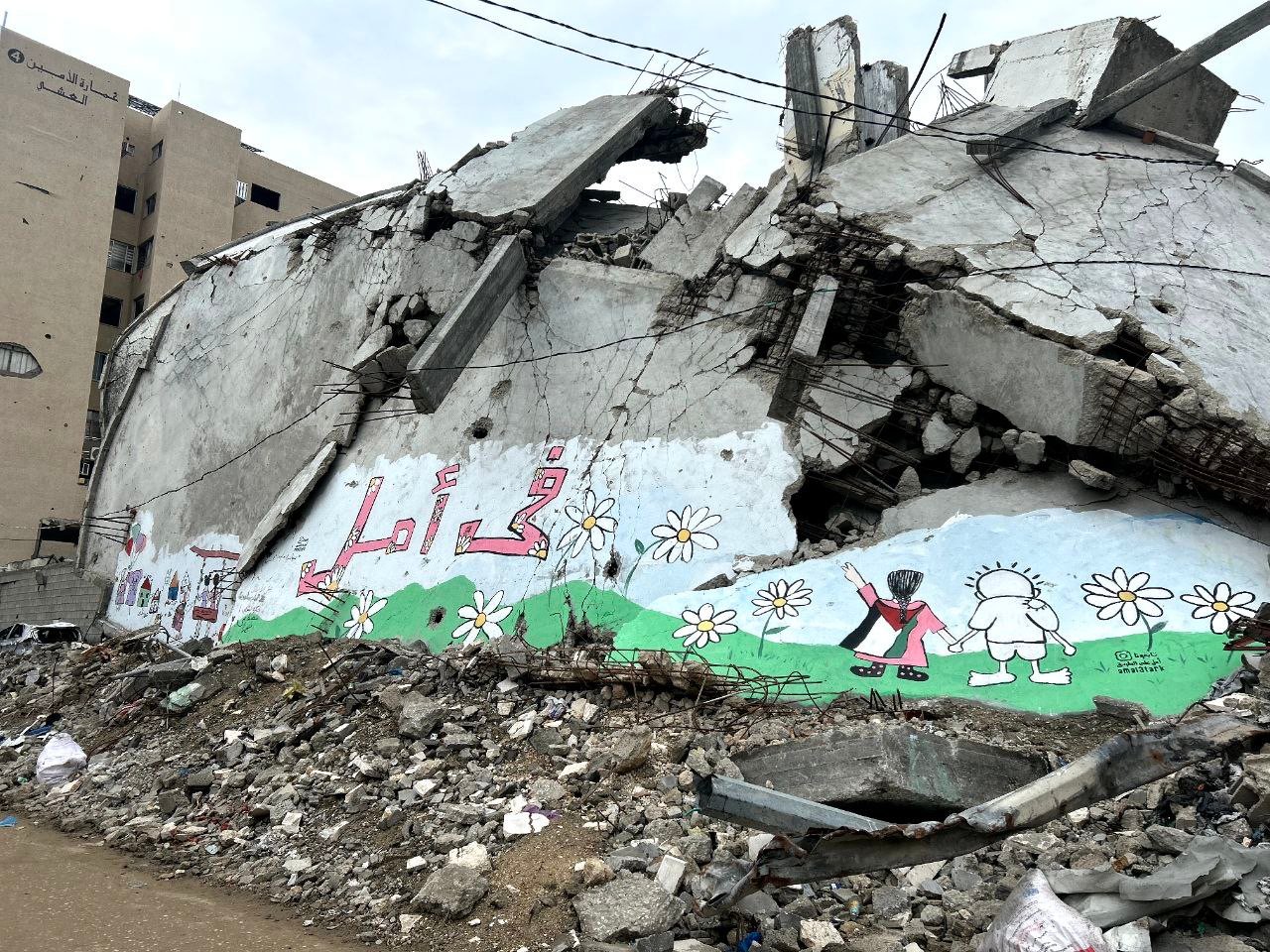
Accounting is a dry science, and the dryness is what keeps it honest. An accountant never asks what you intended; he asks where the receipt is. On this page we treat Gaza the way an accountant treats a bankrupt firm: we open the books.
The first book is the book of destruction. It needs no clerk; it writes itself. The second book — reconstruction — belongs to that special genre everyone wants to be photographed with and nobody wants to sign.
How the ledger works
- Column one, “Promised”: everything said at conferences and in communiqués about “rebuilding Gaza.” This column is never empty; paper is patient, and microphones are more patient still.
- Column two, “Conditional on”: what the promise is pegged to. This is the heart of the matter.
- Column three, “Delivered”: currently the cleanest column in the book. Untouched.
Why does column three stay blank? The answer sits not in conspiracy forums but in the monitors’ own reporting: per ACLED’s Middle East overview and the Security Council Report’s July forecast, the June 2026 talks in Egypt remain locked on three files — Hamas disarmament, Israeli withdrawal, post-war governance. Reconstruction means capital, and capital asks one childishly simple, lethal question: “Who do I make the cheque out to?” While the governance file stays open, that question has no answer — and while it has no answer, the promise costs nothing. Generosity addressed to an undeliverable address is the cheapest generosity on earth.
So for now our ledger records a rule rather than a number: a promise pegged to an unmet condition is worth zero in accounting and one hundred in public relations. The gap between zero and one hundred is where politics lives.
And let us not pretend the genre is new. Donor conference, headline figure, applause — then, years later, a grey report on “the gap between pledges and disbursements.” The pattern is reliable enough that we keep a standing file for its political cousins — quotes versus actions — and a tool for translating large numbers into kitchen-table units, the cost calculators.
One fine-print detail must not get lost: while “Gaza’s tomorrow” stays unresolved on paper, it is not unresolved on the ground. The map is quietly consolidating — see the cartography of the Yellow Line. Of this war’s two books, only the one that favours the status quo is being updated in real time. An accountant calls that single-entry bookkeeping. Everyone else calls it reality.
This page’s commitment: every new pledge gets an entry here — dated, sourced, with its condition attached. And the moment something is genuinely delivered, we will inaugurate column three with pleasure. We are not cynics; we simply refuse to keep this ledger in pencil.
Until then, the header line of the book stands: destruction is never bought on credit. Reconstruction, apparently, always is.
Back to the cluster hub
This ledger belongs to the Gaza dossier. For why none of the conditions ever closes, read the permanent final round.